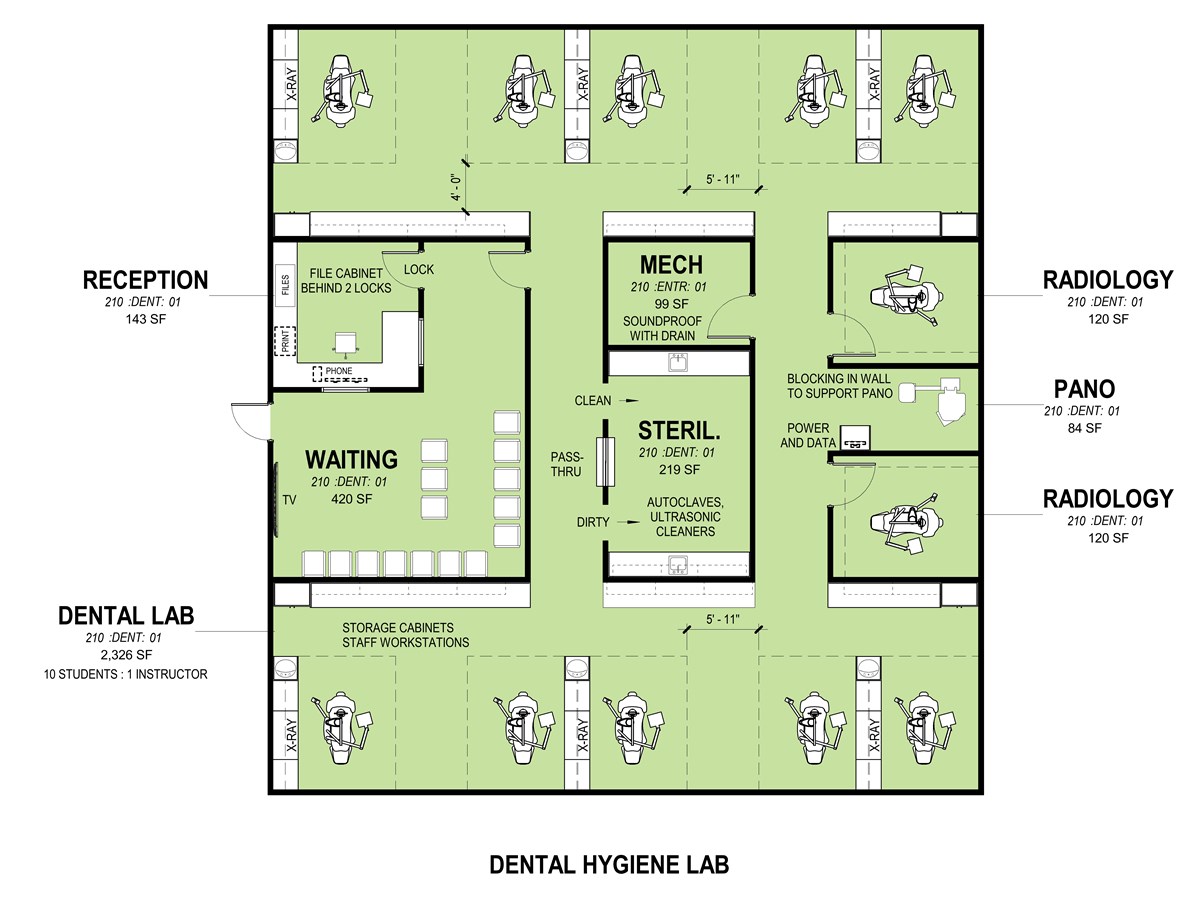
Dental hygiene careers blend science, precision, and patient care—making them one of the most stable and rewarding paths in healthcare. In northeast Indiana, the Ivy Tech Dental Hygiene Program in Fort Wayne stands as a primary gateway for students aiming to enter the field with strong technical training and real-world experience.
This isn’t a program that just teaches theory. It’s structured to prepare students for immediate licensure and employment, grounded in clinical rigor and accreditation standards. If you're considering enrolling, understanding the program’s structure, admission competition, hands-on training, and job outcomes is critical.
What the Ivy Tech Fort Wayne Dental Hygiene Program Offers
The Dental Hygiene Associate of Science degree at Ivy Tech’s Fort Wayne campus is an ADA-CODA accredited program, a non-negotiable benchmark for legitimacy and licensure eligibility. Graduates qualify to take the National Board Dental Hygiene Examination (NBDHE), the Indiana Jurisprudence Exam, and regional clinical board exams—required steps to become a licensed dental hygienist in Indiana.
The program spans five semesters (including summer enrollment), totaling approximately 80 credit hours. It combines general education courses—like anatomy, physiology, and microbiology—with specialized dental coursework covering:
- Periodontology
- Radiographic interpretation
- Local anesthesia administration
- Community dental health
- Clinical dental hygiene procedures
Students progress through a sequenced curriculum that builds from foundational knowledge to advanced patient care. By the final semester, learners are managing full patient cases under faculty supervision in the on-site dental clinic.
One standout feature is the early clinical exposure. Unlike programs that delay hands-on training until the second year, Ivy Tech Fort Wayne students begin working with patients in their second semester. This accelerates skill development and builds confidence long before graduation.
Admission Requirements and Selection Process
Getting into the program is competitive. Meeting minimum requirements doesn’t guarantee acceptance—slots are limited, and the application process is selective.
Here’s what you need:
- Completion of prerequisite courses:
- ENGL 111 (English Composition I)
- BIOL 201 (Anatomy & Physiology I)
- BIOL 202 (Anatomy & Physiology II)
- CHEM 105 (Introduction to Chemistry)
- PSYC 103 (Intro to Psychology or Lifespan Development)
- Minimum GPA of 2.7 in prerequisite courses
- Attendance at a mandatory information session
- Submission of a formal application by the annual deadline (typically in March)
Admission weight is heavily placed on GPA in the core science prerequisites. Because BIOL 201 and BIOL 202 are often challenging, many applicants retake them to improve their grades. Competitive applicants typically have a science GPA above 3.0.
Volunteer or work experience in a dental office strengthens an application, though it’s not required. Admissions committees look for signs of professionalism, communication skills, and genuine interest in patient care.
Pro tip: Enroll in the information session early—seats fill fast. These sessions provide insight into application nuances and common mistakes, like missing documentation or incomplete course substitutions.
Clinical Training and Patient Exposure
The clinical component is where the Fort Wayne program truly differentiates itself. Students train at the on-campus Dental Education Clinic, a fully operational facility that serves the public at reduced rates.
From the second semester onward, students rotate through clinical assignments that include:
- Conducting patient health histories
- Performing oral cancer screenings
- Taking and interpreting dental radiographs
- Administering local anesthesia (in later semesters)
- Scaling and root planing for periodontal patients
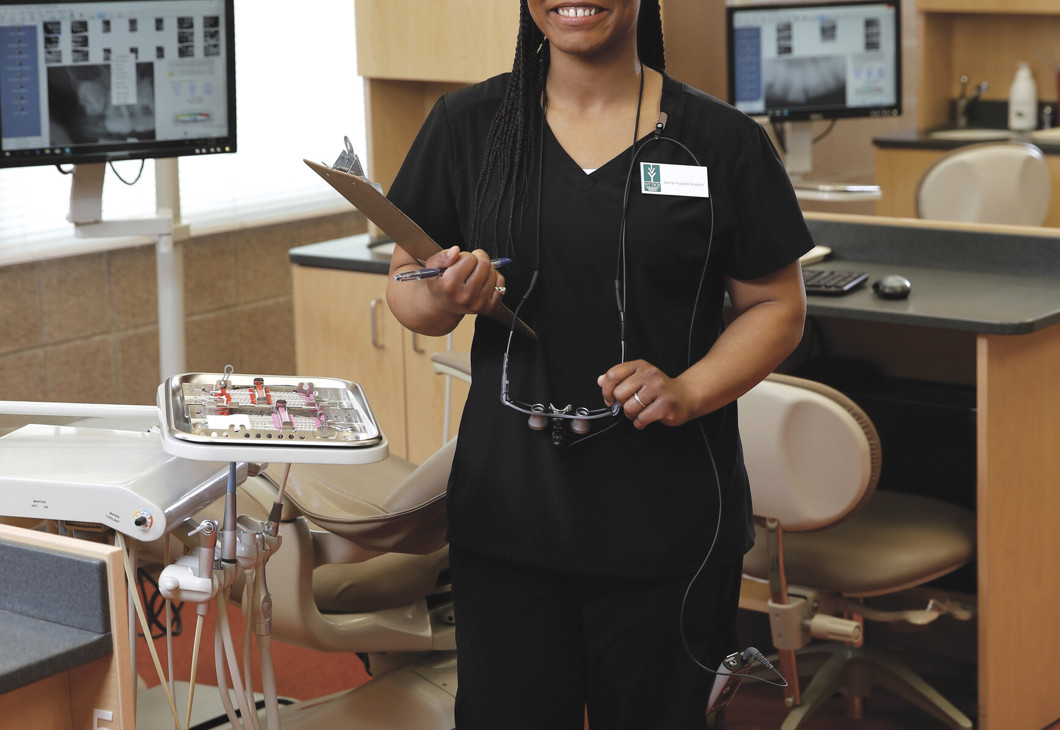
Each student works under close faculty supervision. Instructors observe live procedures, provide immediate feedback, and use structured evaluation rubrics. This ensures technical precision and adherence to infection control protocols—critical for both patient safety and board exam success.
Real-world example: A third-semester student might spend two afternoons per week in clinic, managing two to three patients. They're responsible for treatment planning, documentation, and communication—mirroring the workflow of a practicing hygienist.
One limitation: Clinic hours are fixed and often occur during weekday business hours. Students with full-time jobs may struggle with scheduling, making part-time enrollment difficult. Time management is essential.
Licensure Pass Rates and Job Placement
The ultimate measure of any dental hygiene program is graduate success. Ivy Tech Fort Wayne reports strong outcomes:
- NBDHE first-time pass rate: Consistently above 90% (recent years range from 92–96%)
- Indiana clinical board exam pass rate: Over 85% on first attempt
- Job placement rate: Approximately 95% within six months of licensure
Graduates work in private dental practices, community health centers, pediatric clinics, and specialty offices (e.g., periodontics, orthodontics). Many report starting salaries between $55,000 and $68,000 annually in the Fort Wayne area—competitive for an associate-degree profession.
Networking plays a role. Instructors often have strong ties to local practices and recommend top students for openings. The program also hosts job fairs and employer panels where students can make direct connections.
Still, graduates who move outside Indiana may face additional licensing hurdles depending on the state’s reciprocity rules. Some states require additional exams or jurisprudence modules, so researching target state boards early is wise.
Comparing Ivy Tech Fort Wayne to Other Indiana Programs
While several Indiana schools offer dental hygiene degrees, few match Ivy Tech’s blend of affordability, accessibility, and clinical intensity.
| Program | Location | Program Length | Clinical Start | Approx. Cost (In-District) |
|---|---|---|---|---|
| Ivy Tech Community College | Fort Wayne | 5 semesters | Semester 2 | $12,000–$14,000 |
| Vincennes University | Vincennes | 6 semesters | Semester 3 | $15,000–$17,000 |
| Indiana University School of Dentistry | Indianapolis | 24 months post-associate | Semester 1 | $25,000+ (higher for out-of-state) |
| University of Southern Indiana | Evansville | 5 semesters | Semester 2 | $18,000–$20,000 |
Ivy Tech Fort Wayne wins on cost and early clinical access. IU Indianapolis offers a bachelor’s pathway but requires an associate degree first and carries a significantly higher price tag. Vincennes and USI are strong programs, but their geographic reach is more limited for northeast Indiana residents.
For local students seeking a fast, affordable path to licensure, Ivy Tech Fort Wayne is the logical choice.
Affordability and Financial Considerations
Tuition at Ivy Tech is among the lowest in the state for accredited dental hygiene programs. For in-district students, total program costs—including tuition, fees, books, uniforms, instruments, and board exam fees—typically fall between $14,000 and $16,000.
This compares favorably to private or four-year institutions, where costs can exceed $30,000. Even when factoring in living expenses, the return on investment is strong given starting salaries and job demand.
Students should budget for:
- Instrument kit: ~$1,800 (purchased in first semester)
- Radiation safety badge and lab fees: ~$200
- Clinical uniforms and protective gear: ~$300
- Licensing exam fees: ~$1,200 total (NBDHE, clinical board, jurisprudence)
Financial aid is widely available. Most students use a combination of Pell Grants, Indiana state grants (such as Frank O’Bannon), and federal loans. The program strongly recommends meeting with a financial aid advisor early to map out funding.
Work-study opportunities within the dental clinic or campus labs are occasionally available, offering hands-on support roles that reinforce learning.
Common Pitfalls and How to Avoid Them

Even strong applicants can stumble during the program. Here are recurring issues and how to navigate them:
- Underestimating time demands
- Students often underestimate the 25–30 hour weekly commitment (classes, labs, clinic, studying). Treating the program like a full-time job is essential. Solution: Block out study time, use a planner, and avoid overworking outside jobs.
- Poor performance in A&P
- BIOL 201 and 202 are gatekeepers. Students who earn below a B often weaken their admission chances. Solution: Use tutoring early, attend labs consistently, and leverage Ivy Tech’s free academic support services.
- Procrastinating on application materials
- Missing the information session or submitting late applications eliminates candidates. Solution: Mark deadlines on your calendar a year in advance. Complete prerequisites by December to apply the following March.
- Weak clinical communication
- Technical skill isn’t enough. Patients notice tone, clarity, and empathy. Students who rush through health histories or skip explanations struggle in evaluations. Solution: Practice patient scripts with peers and seek faculty feedback.
Career Pathways After Graduation
Licensure opens doors beyond traditional private practice. Ivy Tech graduates have pursued roles in:
- Public health clinics: Working with underserved populations in Federally Qualified Health Centers (FQHCs)
- School-based sealant programs: Providing preventive care in K–12 schools
- Dental sales and education: Representing companies that manufacture hygiene instruments or dental materials
- Advanced education: Transferring credits to bachelor’s programs in dental hygiene or health sciences
Some alumni return to Ivy Tech as clinical instructors—a testament to the program’s reputation and tight-knit community.
For those considering advancement, Indiana offers online RN-to-BSN or BS in Dental Hygiene completion programs. Ivy Tech’s credits often transfer smoothly to institutions like Indiana University or Purdue Global.
Final Thoughts: Is Ivy Tech Fort Wayne Right for You?
The Ivy Tech Dental Hygiene Program in Fort Wayne is built for focused, disciplined students who want to enter the workforce quickly with strong clinical skills and minimal debt. It’s not the easiest path—admission is competitive, the pace is intense, and the expectations are high. But for those willing to commit, it delivers exceptional value.
If you’re in northeast Indiana and serious about becoming a dental hygienist, start your prerequisites now, attend an info session, and build a timeline for application. Your career in dental hygiene starts with a single, well-planned step.
Frequently Asked Questions
What are the prerequisites for the Ivy Tech Fort Wayne dental hygiene program? You must complete ENGL 111, BIOL 201, BIOL 202, CHEM 105, and PSYC 103 with a minimum 2.7 GPA in these courses.
How long is the dental hygiene program at Ivy Tech Fort Wayne? The program lasts five semesters, including summer enrollment, and takes about 21–24 months to complete.
Is the program accredited? Yes, it is accredited by the Commission on Dental Accreditation (CODA) of the American Dental Association.
Can I work while enrolled in the program? It’s challenging due to the time-intensive schedule. Most students work part-time or not at all during clinical semesters.
What kind of jobs do graduates get? Most become licensed dental hygienists in private practices, but others work in public health, education, or sales.
Do I need to take the DAT to apply? No, the Dental Admission Test (DAT) is not required for admission to this program.
Where do students complete clinical training? Clinical hours are fulfilled at the on-campus Dental Education Clinic, serving real patients in Fort Wayne.
FAQ
What should you look for in Ivy Tech Dental Hygiene Program Fort Wayne Overview? Focus on relevance, practical value, and how well the solution matches real user intent.
Is Ivy Tech Dental Hygiene Program Fort Wayne Overview suitable for beginners? That depends on the workflow, but a clear step-by-step approach usually makes it easier to start.
How do you compare options around Ivy Tech Dental Hygiene Program Fort Wayne Overview? Compare features, trust signals, limitations, pricing, and ease of implementation.
What mistakes should you avoid? Avoid generic choices, weak validation, and decisions based only on marketing claims.
What is the next best step? Shortlist the most relevant options, validate them quickly, and refine from real-world results.